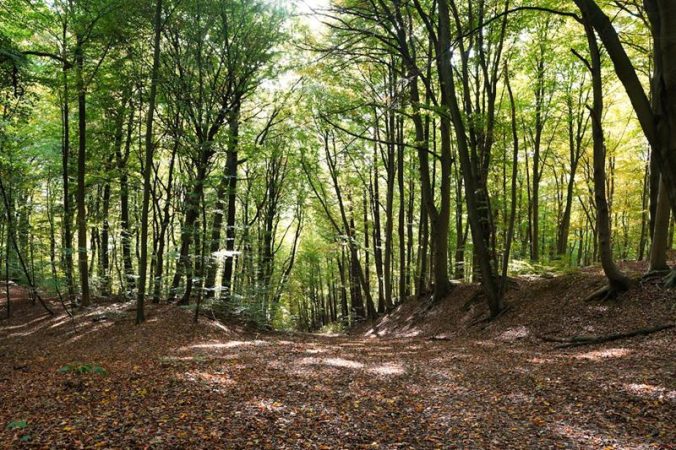
Forgiveness is a vital component of emotional and spiritual healing, involving a conscious choice to release anger and resentment towards others or oneself, thereby freeing oneself from the burden of past pain.

Category: Forgiveness (Page 7 of 33)

Japanese Naikan – Healing of Cultures and Societies that practice Forgiveness

Naikan is a Japanese practice that involves introspection and self-reflection to cultivate gratitude, humility, and forgiveness. It is often used in therapy and personal growth settings.

Japanese Naikan is a unique and powerful approach to healing and personal growth that emphasizes the importance of reflection, gratitude, and forgiveness. Naikan, which translates to “inside observation” or “introspection,” is a Japanese practice that has been used for centuries to promote self-awareness, self-reflection, and personal transformation.

The Naikan Method:

Naikan is a structured method of introspection that involves a process of self-reflection and examination of one’s thoughts, feelings, and actions. The Naikan method typically involves:

1. Sitting in stillness: Sitting in silence and stillness, often in a quiet room or natural setting, to calm the mind and focus the attention.

2. Reflection on relationships: Reflecting on one’s relationships with others, including family, friends, and community, to identify areas of gratitude, appreciation, and forgiveness.

3. Examination of thoughts and feelings: Examining one’s thoughts and feelings, including negative emotions and patterns, to gain insight and understanding.

4. Practicing gratitude: Practicing gratitude and appreciation for the people, experiences, and circumstances in one’s life.

5. Cultivating forgiveness: Cultivating forgiveness and letting go of resentment, anger, and Other negative emotions.

The Naikan Philosophy:

Naikan is based on the idea that our experiences, including our relationships and challenges, are opportunities for growth, learning, and transformation. The Naikan philosophy emphasizes:

1. Interconnectedness: Recognizing that we are all interconnected and that our individual experiences are part of a larger web of relationships.

2. Gratitude and appreciation: Cultivating gratitude and appreciation for the people, experiences, and circumstances in our lives.

3. Self-reflection and introspection: Engaging in regular self-reflection and introspection to gain insight and understanding into our thoughts, feelings, and actions.

4. Forgiveness and letting go: Practicing forgiveness and letting go of negative emotions, including resentment, anger, and bitterness.

Healing of Cultures and Societies:

Naikan has been used in Japan and other countries to promote healing and personal growth, particularly in the context of family and community relationships. By emphasizing self-reflection, gratitude, and forgiveness, Naikan has helped to:

1. Resolve conflicts: Resolve conflicts and promote reconciliation in families and communities.

2. Foster empathy and understanding: Foster empathy and understanding between individuals and groups, promoting greater tolerance and acceptance.

3. Promote community building: Promote community building and social cohesion, encouraging cooperation and collaboration.

4. Address historical trauma: Address historical trauma and promote collective healing, acknowledging the past and working towards a more just and equitable future.

Examples of Naikan in Action:

1. Naikan therapy in Japan: Naikan therapy has been used in Japan to treat a range of mental health conditions, including depression, anxiety, and trauma.

2. Naikan-based community programs: Naikan-based community programs have been developed to promote community building and social cohesion, particularly in urban areas.

3. Naikan-inspired education: Naikan-inspired education programs have been developed to promote self-reflection, gratitude, and forgiveness in schools and educational settings.

Lessons from Naikan:

Naikan offers valuable lessons for cultures and societies seeking to promote forgiveness and healing:

1. The importance of self-reflection: Naikan emphasizes the importance of self-reflection and introspection in promoting personal growth and transformation.

2. The value of gratitude and appreciation: Naikan highlights the importance of gratitude and appreciation in cultivating a positive and resilient mindset.

3. The power of forgiveness: Naikan demonstrates the power of forgiveness in promoting healing, reconciliation, and restoration.

4. The need for community and relationships: Naikan acknowledges the importance of community and relationships in promoting healing and personal growth.

These lessons can be applied to a wide range of contexts, from personal relationships to community conflicts, and can help to promote forgiveness, healing, and reconciliation in cultures and societies around the world.

African Ubuntu – Healing of Cultures and Societies that practice Forgiveness

In some African cultures, Ubuntu (humanity towards others) is a philosophy that emphasizes forgiveness, reconciliation, and community building. For example, the Truth and Reconciliation Commission in South Africa was based on Ubuntu principles.

African Ubuntu is a profound philosophy that emphasizes the importance of forgiveness, compassion, and community in healing and restoring cultures and societies. Ubuntu, which translates to “humanity towards others,” is a concept that originated in Southern Africa, particularly in the cultures of South Africa, Zimbabwe, and Mozambique.

The Ubuntu Philosophy:

Ubuntu is based on the idea that a person is a person because of other people. It emphasizes the interconnectedness of all individuals and the importance of community, mutual respect, and forgiveness. Ubuntu is often described as a way of life that values:

1. Interconnectedness: Recognizing that our individual identities are connected to and influenced by our relationships with others.

2. Community: Prioritizing the well-being and harmony of the community over individual interests.

3. Mutual respect: Treating others with dignity, respect, and kindness, regardless of their background, culture, or social status.

4. Forgiveness: Embracing forgiveness as a means of healing, reconciliation, and restoration.

5. Restorative justice: Focusing on repairing harm, promoting healing, and rebuilding relationships rather than punishing offenders.

The Ubuntu Approach to Forgiveness:

The Ubuntu approach to forgiveness involves a process of:

1. Acknowledgment: Recognizing the harm or wrongdoing and acknowledging the pain and suffering it has caused.

2. Confession: The perpetrator acknowledges their role in the harm or wrongdoing and takes responsibility for their actions.

3. Restoration: The perpetrator makes amends and works to restore the harm or damage caused.

4. Reconciliation: The parties involved work towards healing, forgiveness, and reconciliation.

5. Integration: The individual or community is reintegrated into the community, and efforts are made to prevent similar harm or wrongdoing in the future.

Healing of Cultures and Societies:

Ubuntu has been instrumental in healing and restoring cultures and societies in Africa, particularly in post-conflict situations. By emphasizing forgiveness, compassion, and community, Ubuntu has helped to:

1. Promote reconciliation: Ubuntu has facilitated reconciliation between former enemies, promoting healing and rebuilding of relationships.

2. Foster community building: Ubuntu has encouraged community building and social cohesion, helping to rebuild and strengthen community bonds.

3. Address historical trauma: Ubuntu has helped to address historical trauma and promote collective healing, acknowledging the past and working towards a more just and equitable future.

4. Encourage restorative justice: Ubuntu has promoted restorative justice, focusing on repairing harm and promoting healing rather than punishing offenders.

Examples of Ubuntu in Action:

1. The Truth and Reconciliation Commission (TRC) in South Africa: The TRC, established after the end of apartheid, used Ubuntu principles to facilitate reconciliation and healing between victims and perpetrators of human rights abuses.

2. The Rwanda Genocide Reconciliation Program: This program, inspired by Ubuntu, brought together Hutu and Tutsi communities to promote forgiveness, reconciliation, and healing after the 1994 genocide.

3. The African Union’s Ubuntu-inspired reconciliation efforts: The African Union has used Ubuntu principles to promote reconciliation and healing in post-conflict situations across the continent.

Lessons from Ubuntu:

Ubuntu offers valuable lessons for cultures and societies seeking to promote forgiveness and healing, Gerald:

1. The importance of community: Ubuntu emphasizes the importance of community and mutual respect in promoting forgiveness and healing.

2. The value of restorative justice: Ubuntu highlights the importance of restorative justice in repairing harm and promoting healing.

3. The power of forgiveness: Ubuntu demonstrates the power of forgiveness in promoting healing, reconciliation, and restoration.

4. The need for collective healing: Ubuntu acknowledges the need for collective healing and acknowledges the past, working towards a more just and equitable future.

These lessons can be applied to a wide range of contexts, from personal relationships to community conflicts, and can help to promote forgiveness, healing, and reconciliation in cultures and societies around the world.

Native American Forgiveness Ceremonies – Healing of Cultures and Societies that practice Forgiveness

Many Native American tribes have traditional forgiveness ceremonies, such as the Lakota Sioux’s “Wiping Away the Tears” ceremony, which involves the release of negative emotions and the renewal of relationships.

Native American Forgiveness Ceremonies are a powerful example of how forgiveness can be used to heal and restore balance to individuals, communities, and cultures. These ceremonies have been an integral part of Native American traditions for centuries, and they offer a unique and profound approach to forgiveness.

Types of Native American Forgiveness Ceremonies:

1. The Lakota Sioux’s “Wiping Away the Tears” ceremony: This ceremony is used to forgive and release negative emotions, such as grief, anger, and resentment. It involves the use of sacred rituals, prayers, and songs to cleanse and purify the mind, heart, and spirit.

2. The Ojibwe’s “Medicine Wheel” ceremony: This ceremony is used to restore balance and harmony to individuals and communities. It involves the use of a sacred wheel, which represents the interconnectedness of all things, to promote forgiveness, understanding, and healing.

3. The Navajo’s “Enemy Way” ceremony: This ceremony is used to forgive and release negative emotions associated with conflict and warfare. It involves the use of rituals, prayers, and songs to restore balance and harmony to individuals and communities.

4. The Cherokee’s “Forgiveness and Reconciliation” ceremony: This ceremony is used to promote forgiveness and reconciliation between individuals and communities. It involves the use of sacred rituals, prayers, and songs to restore balance and harmony, and to encourage healing and understanding.

The Process of Forgiveness in Native American Ceremonies:

The process of forgiveness in Native American ceremonies typically involves several key elements:

1. Acknowledgment: The acknowledgment of wrongdoing or harm, and the recognition of the negative impact it has had on individuals and communities.

2. Confession: The confession of wrongdoing, and the expression of remorse and regret.

3. Amends: The making of amends, either through restitution or through the performance of rituals and ceremonies to restore balance and harmony.

4. Forgiveness: The request for forgiveness, and the granting of forgiveness to those who have been harmed.

5. Healing: The promotion of healing and restoration, through the use of sacred rituals, prayers, and songs.

Healing of Cultures and Societies:

Native American Forgiveness Ceremonies offer a powerful approach to healing and restoring balance to cultures and societies. By promoting forgiveness, understanding, and compassion, these ceremonies can help to:

1. Restore relationships: Restore relationships between individuals and communities, and promote healing and reconciliation.

2. Heal historical trauma: Heal historical trauma and promote collective healing, by acknowledging and addressing the negative impact of past events.

3. Promote cultural revitalization: Promote cultural revitalization, by preserving and honoring traditional practices and ceremonies.

4. Foster community building: Foster community building, by promoting a sense of shared identity and purpose, and by encouraging cooperation and collaboration.

Lessons from Native American Forgiveness Ceremonies:

Native American Forgiveness Ceremonies offer several lessons for cultures and societies seeking to promote forgiveness and healing:

1. The importance of ritual and ceremony: The use of ritual and ceremony can be a powerful way to promote forgiveness and healing, by creating a sense of sacredness and ritual.

2. The value of community involvement: The involvement of the community in the forgiveness process can help to promote healing and reconciliation, by creating a sense of shared responsibility and collective healing.

3. The need for acknowledgment and confession: The acknowledgment of wrongdoing and the confession of harm can be a powerful step towards healing and reconciliation, by creating a sense of accountability and responsibility.

4. The importance of amends and restitution: The making of amends and the provision of restitution can help to promote healing and reconciliation, by creating a sense of justice and fairness.

These lessons can be applied to a wide range of contexts, from personal relationships to community conflicts, and can help to promote forgiveness, healing, and reconciliation in cultures and societies around the world.

« Older posts Newer posts »

Step-up and get your seat on my VIP Healing in Forgiveness Mentorship Program for 2026

X
Back a Buddy Show your Support